Today, no matter where we live in the world, we are feeling the effects of the coronavirus 
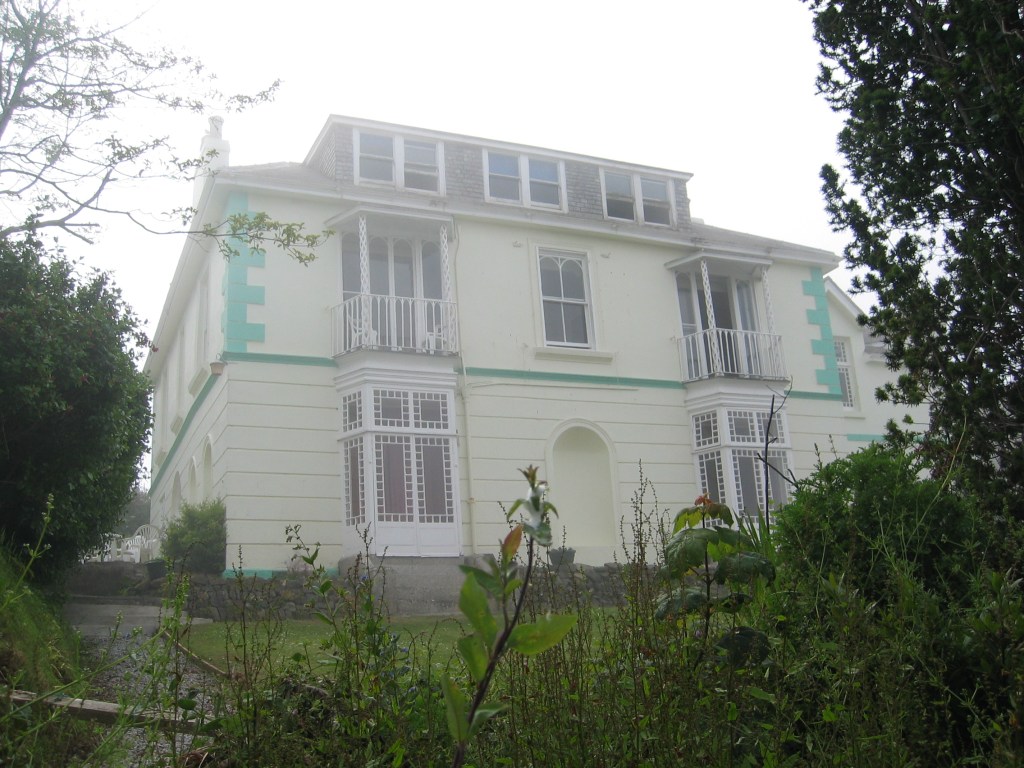
Virginia and Leonard Woolf lived through the pandemic of their time, the Spanish flu, which raged worldwide from 1918-1919, while the couple were living in Richmond.
Estimated to have killed 100 million people around the globe and more than 250,000 in Britain alone, the Spanish flu also affected people close to the Woolfs. In July 1918 diary entries, Virginia notes that their London neighbor has influenza, later reporting that she has succumbed to the disease.
Virginia and influenza
Virginia herself contracted influenza at the end of 1919, confining her to her bed, and that episode is thought to be part of the pandemic strain. It was not her first bout with the flu; nor would it be her last. She suffered from it in 1916, in the early months of 1918 before the Spanish flu had reached Britain, and again in 1922, 1923, and 1925.
On Oct. 20 of 1918, Woolf’s diary entry includes this report:
Pain is abhorrent to all Stracheys, but making all allowances for the exaggerations and terrors of the poor creature, Lytton has had a sufficient dose of horror, I imagine, and the doctor privately warns Carrington that shingles may last months. However, Lytton, is probably… avoiding London, because of the influenza (we are, by the way, in the midst of a plague unmatched since The Black Death, according to the Times, who seem to tremble lest it may seize upon Lord Northcliffe & thus precipitate us into peace.)
Illness in the essay

One such piece by Laura Cernat centers on Woolf’s essay. And Ane Thon Knutsen, a Norwegian typesetter and Woolf scholar, is in the midst of an art project focused on the work. But more on that later.
Illness in the novel
The 1918 pandemic also made its way into one of Virginia’s most 
A post on the British Library website takes a similar tack and includes a quote from the novel.
“Clarissa is almost certainly a victim of the influenza pandemic of 1918–20, but she is also to be one of the novel’s lingering wraiths: ‘Since her illness she had turned almost white’ (31).

Discover more from Blogging Woolf
Subscribe to get the latest posts sent to your email.



[…] The Salon Conspirators — Benjamin Hagen, Shilo McGiff, Amy Smith, and Drew Shannon — began the Woolf Salon Project in July 2020 to provide opportunities for conversation and conviviality among Woolf-interested scholars, students, and common readers during and beyond the COVID-19 pandemic. […]
[…] that I now had to live out the rest of my life with a broken brain. In her 1926 essay “On Being Ill,” Woolf writes so brilliantly into […]
[…] The Salon Conspirators — Benjamin Hagen, Shilo McGiff, Amy Smith, and Drew Shannon — began the Woolf Salon Project in July 2020 to provide opportunities for conversation and conviviality among Woolf-interested scholars, students, and common readers during and beyond the COVID-19 pandemic. […]
[…] Woolf’s numerous experiences with illness led her to write the essay On Being Ill, published in 1930 by the Hogarth Press. Inspired by this […]
[…] The Salon Conspirators — Benjamin Hagen, Shilo McGiff, Amy Smith, and Drew Shannon — began the Woolf Salon Project in July 2020 to provide opportunities for conversation and conviviality among Woolf-interested scholars, students, and common readers during and beyond the COVID-19 pandemic. […]
[…] The Salon Conspirators — Benjamin Hagen, Shilo McGiff, Amy Smith, and Drew Shannon — began the Woolf Salon Project in July 2020 to provide opportunities for conversation and conviviality among Woolf-interested scholars, students, and common readers during and beyond the COVID-19 pandemic. […]
[…] March of 2020, as lockdowns due to the COVID-19 pandemic spread around the globe, Ane used her printing press to print one sentence on one sheet of paper […]
[…] the spring of 2020, when many of us found our outings and activities limited due to the Coronavirus pandemic, I wrote about two jigsaw puzzles that included Virginia Woolf or her novels and another that […]
[…] don’t have many positive things to say about the pandemic, but I am glad of one thing. It increased the number of online programs offered by the Virginia […]
[…] Woolf would have been 140 today. So today, as we near the end of year two of the COVID-19 pandemic, it seems fitting to look at the moody diary entry she wrote a day after her fifty-ninth birthday […]
[…] in the midst of the current pandemic, illness remains an unpopular theme in literature. But in her essay, On Being Ill Virginia Woolf […]
[…] pandemic has affected women’s work lives in drastic ways. The BBC is calling it a […]
A great piece! Thanks Paula!
thank you .
[…] « How Virginia Woolf survived a pandemic and lived to write about it […]
excellent summation of a number of works Woolfians have been talking about in recent days.