It’s the season of light. Of peace. Of joy. But in the face of Friday’s heartbreaking tragedy at Sandy Hook Elementary School in Newtown, Connecticut, an essay by Emma Woolf, daughter of Cecil Woolf and Jean Moorcroft Wilson, seems specially poignant.
Titled “An Apple a Day: A Special Anniversary,” the piece was published in The Times on Nov. 20. It tells the story of the goodbyes she has said to loved ones who have passed on. And it ends with a quote from Virginia Woolf: “Someone has to die in order that the rest of us should value life more.”
But before it ends, Emma shares this wisdom: “[L]ife is precious. Now more than ever is a time for new beginnings.”
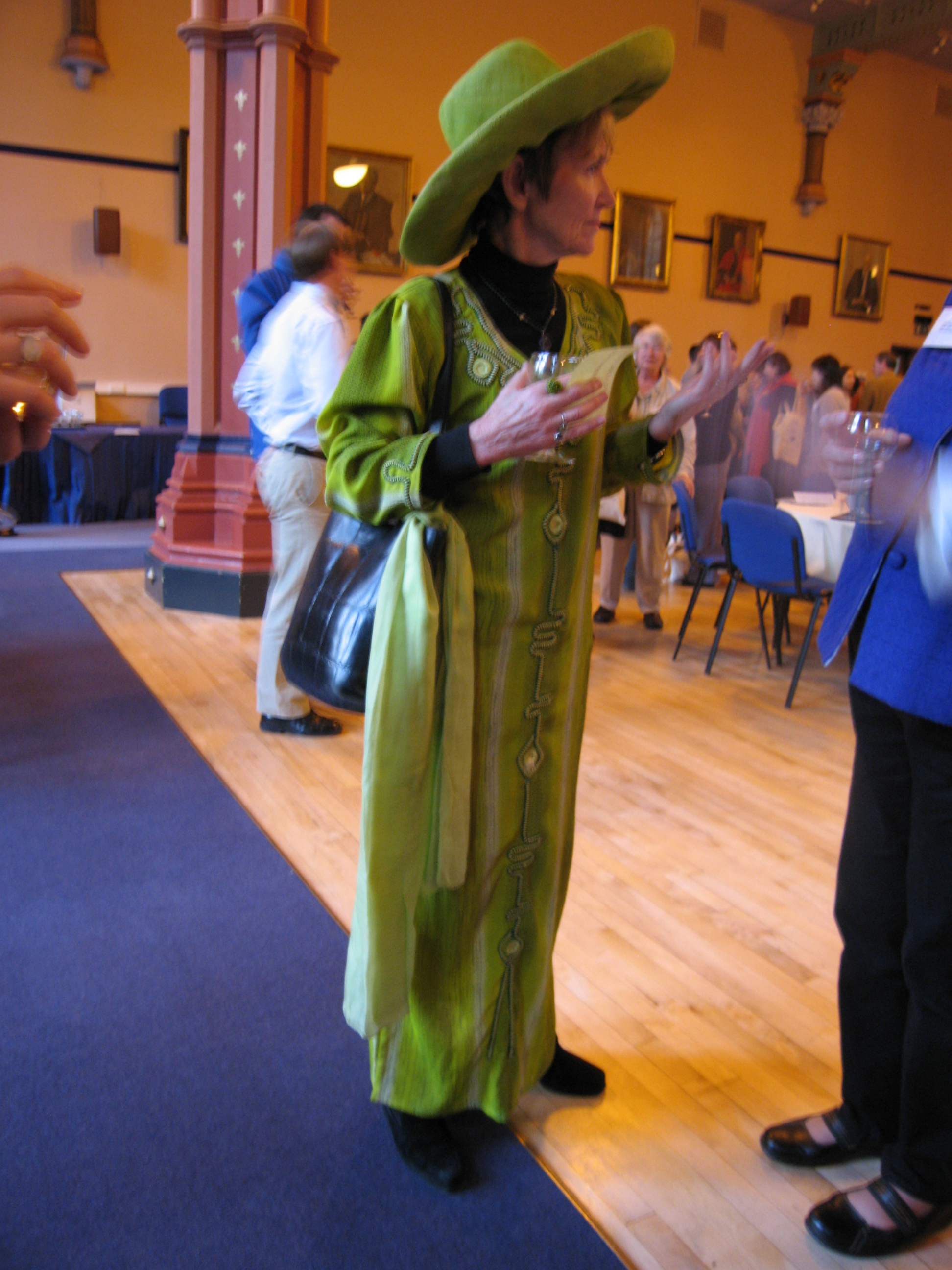
Marina Warner and Jane Goldman, conference organizer
Jean Moorcroft Wilson
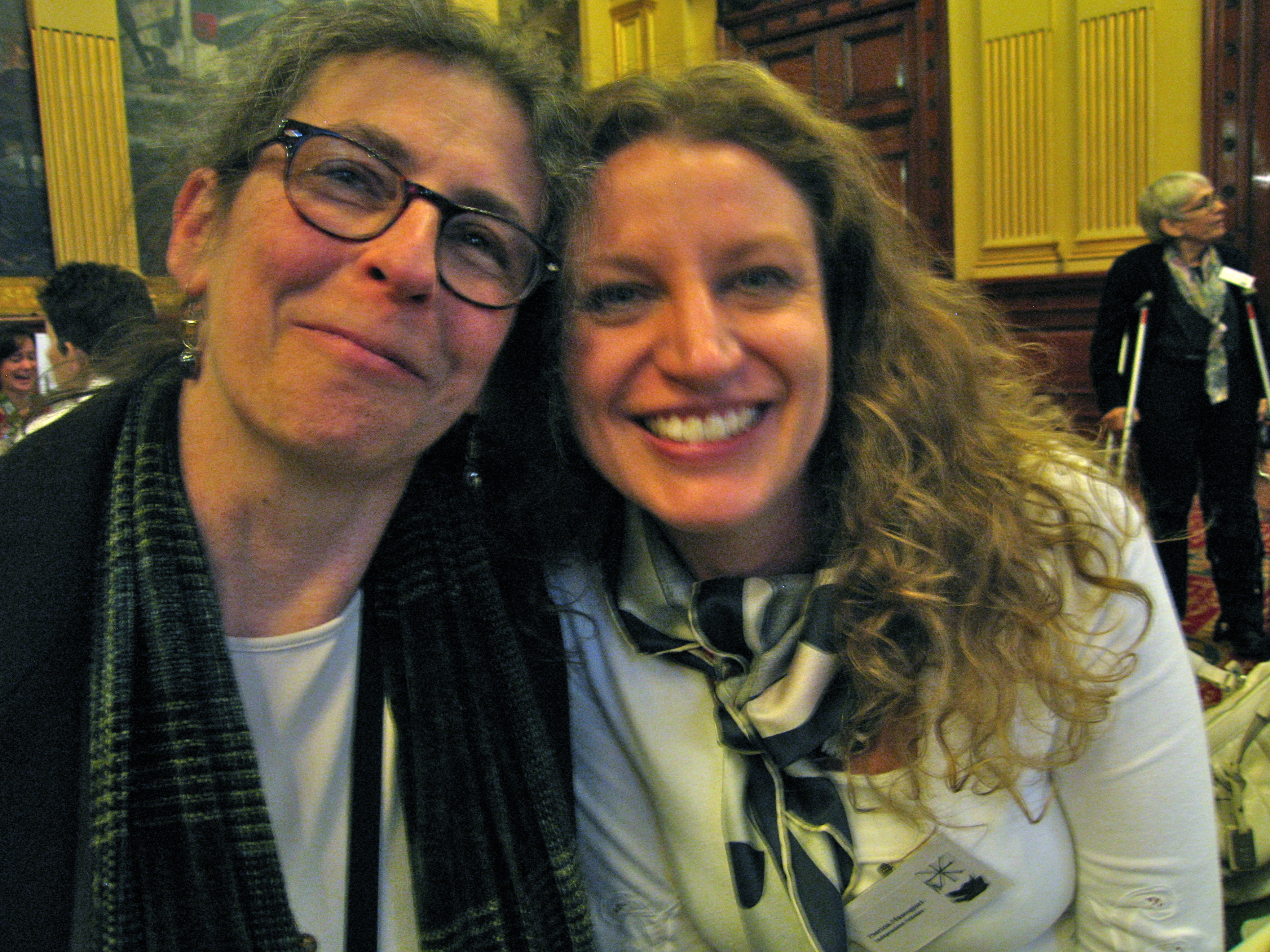
Vara Neverow and Patrizia Muscogiuri, who provided Blogging Woolf with these photos. More are posted on Flickr. See the Flickr feed in the right sidebar.
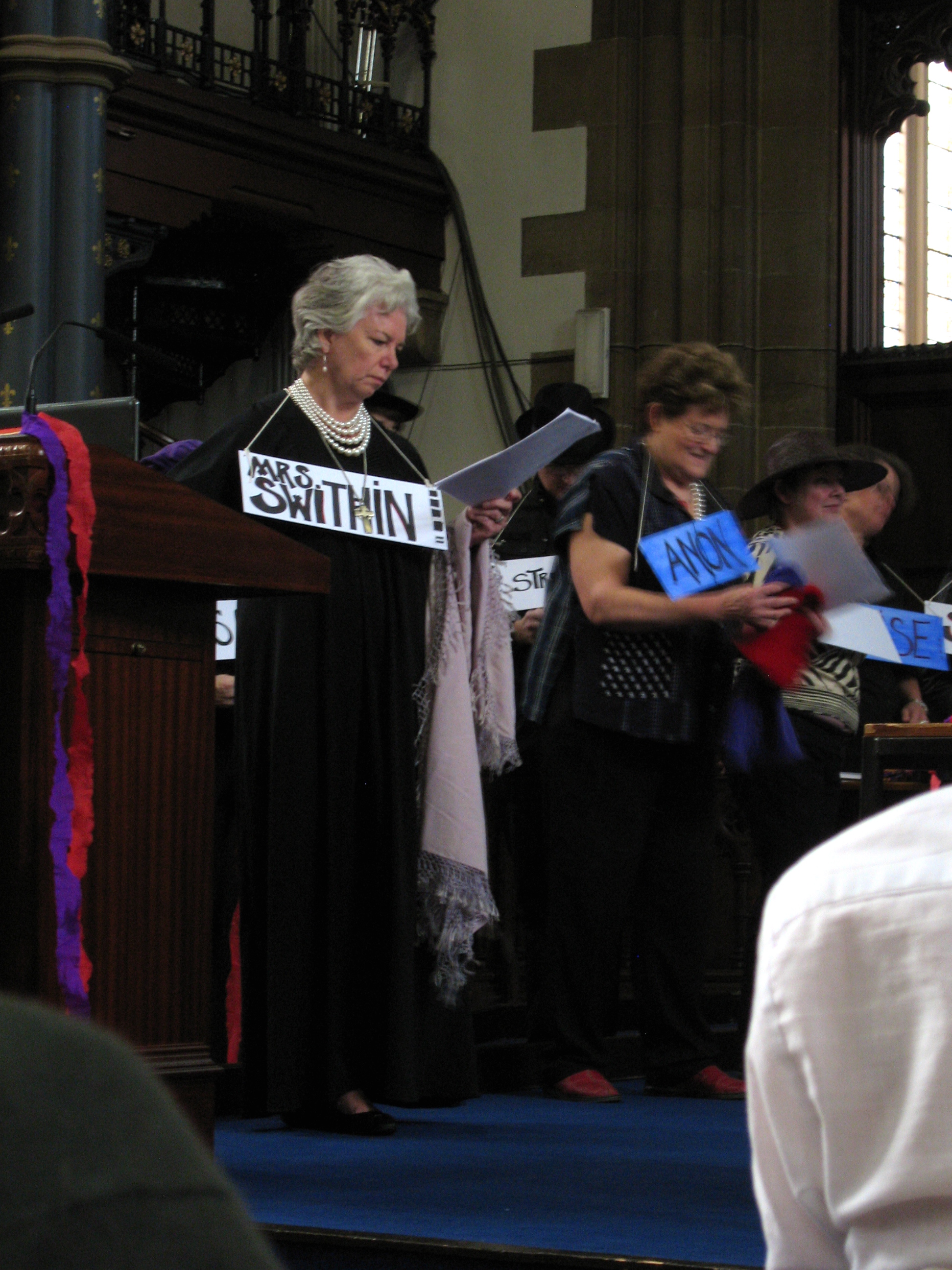
At left, Gill Lowe in the pageant skit written by Suzanne Bellamy, pictured at right
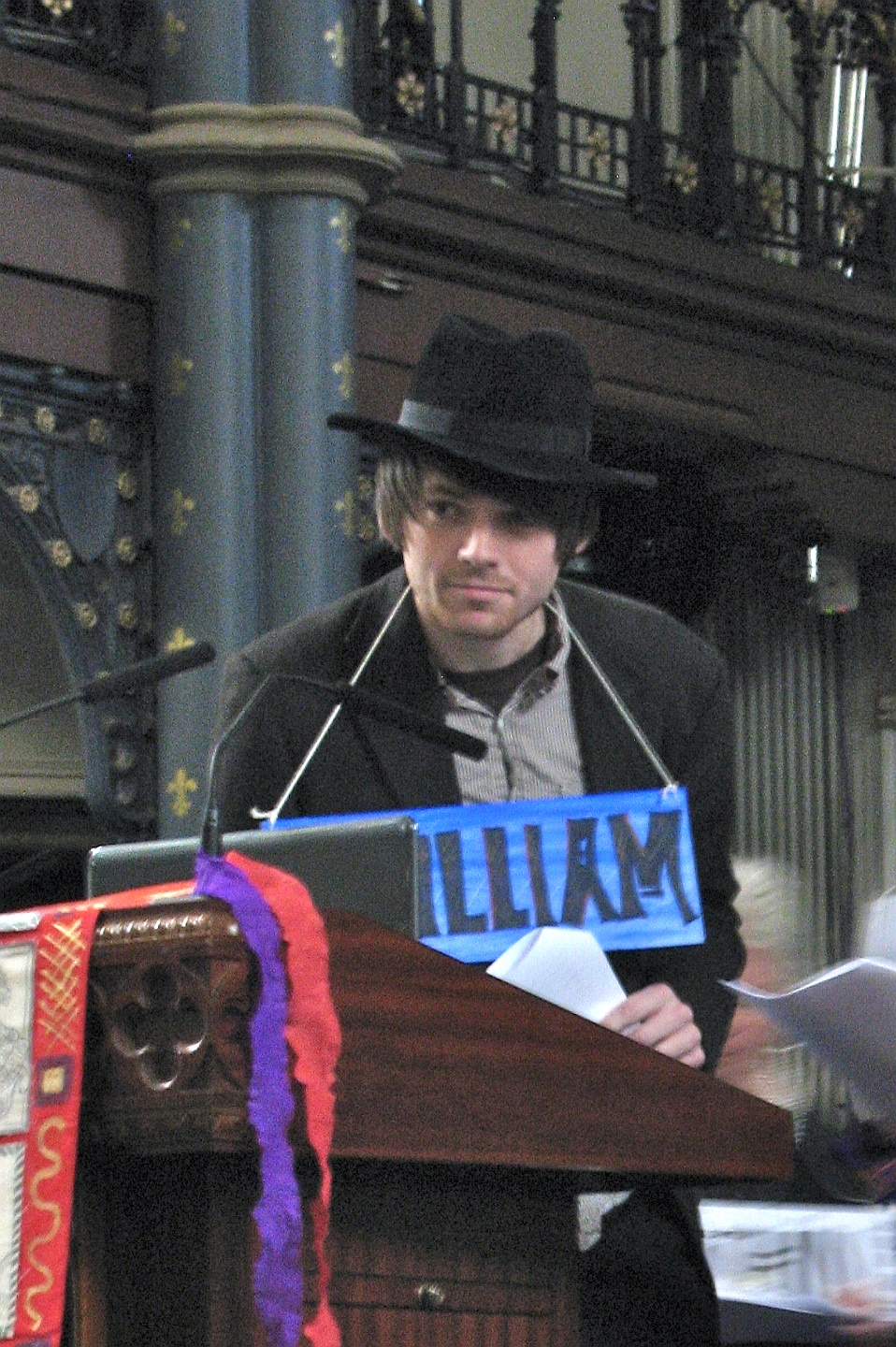
Derek Ryan, who played William in the pageant skit, was also one of the conference organizers.
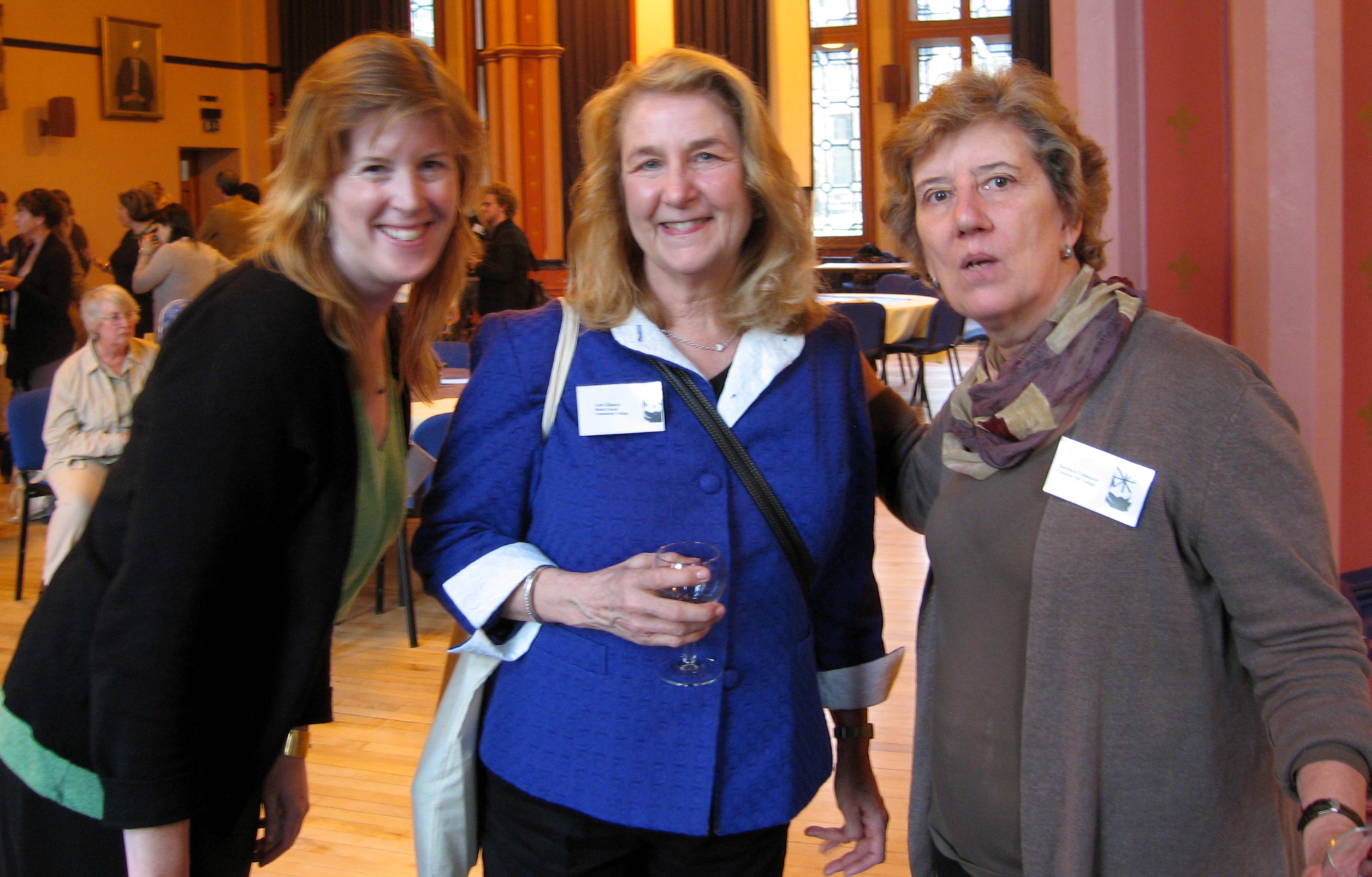
Catherine Hollis, Lois Gilmore and Barbara Lonnquist
Jean Moorcroft Wilson and Cecil Woolf are featured in an article about World War I poet Edward Thomas posted today on the Islington Tribune website.
Wilson, who is writing a biography of Thomas, spoke about him at an event at the Imperial War Museum on the eve of Remembrance Day. She is the author of biographies of World War I poets Isaac Rosenberg (2005) and Siegfried Sassoon (2009).
Churchill biographer Martin Wilson also spoke at the event, describing the conditions on the Western Front during the Great War.
Wilson serves as editor for many monographs in the Bloomsbury Heritage Series and the War Poets Series published by her husband, Cecil Woolf of Cecil Woolf Publishers, which is based in London.
I love getting post from abroad. Everything about it is charming: the feel of the envelope, the look of the stamps, even the fact that “U.S.A.” is included in the address.
I never rip it right open. I usually hold the letter in my hands for a minute, thinking about the long distance it has come, the water it has crossed, the person on the other end who has taken the time to sit down and put pen to paper.
Sometimes I have to wait for the right moment before I can open it. I never want to read a letter from abroad when I am agitated or in a hurry or distracted by some mundane matter.
But when the moment is right, I settle down on my favorite sofa, the one where the late afternoon sun slants across my shoulder. In that calm and quiet spot, I carefully slit open the envelope. I sip the words slowly, letting them swish around in my mind. I savor their flavor and their meaning. I note their nuances and subtleties. I picture the person who wrote it and the place where he wrote.
A letter, an old-fashioned handwritten letter from abroad, is something I can tuck in my book and read again later. It is something I can take with me wherever I go. It is something I can save forever, tied up with others like it, bound together and stored in a drawer.
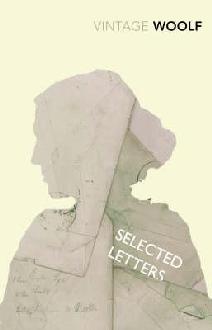
So where is the Virginia Woolf connection in all of this? Well, we all know she wrote and received lots of letters — volumes in fact. Five of them sit on my bookshelf.
But two other things have made me think about letters. The first was a note I received from Cecil Woolf, nephew of Leonard and Virginia, who wrote to say that he and his wife Jean Moorcroft Wilson had spent 12 days in South Africa, where they spoke at the University of Capetown. Cecil’s talk was titled “As I Remember Them: Virginia and Leonard Woolf.” His missive was dated Jan. 26, and I thought about the significance of that date as well.
Cecil Woolf
The second thing that made me think about letters was the much-discussed news that Angelica Garnett has published a new volume of short stories, The Unspoken Truth: A Quartet of Bloomsbury Stories. These stories are not letters. But Garnett has been quoted as saying that the stories are autobiographical, not invented, for the most part.
Those things led me to ponder the similarities between real life and fiction and the differences between real life stories and the lives we share via letters. Both are edited, either formally or informally. Both alter the realities of our daily lives. Both stay true to those realities.