Two recent novels that have garnered rave reviews are touted as being influenced by Mrs. Dalloway. Both are written by Black women, and both tackle the unholy trinity of race, class, and gender.
The Days of Afrekete by Asali Solomon
The New York Times review was titled “This Novel Nods to Virginia Woolf While Staring
Liselle, a Black woman married to a white man, is giving a party for her husband’s associates. Her preparations, anticipation, and the dinner itself are the backdrop as she questions her life and dissatisfaction while moving in and out of the past, recalling earlier times and her college friend and lover, Selena.
Liselle isn’t heading out to buy the flowers herself; nor is she reveling in a lovely June day. It begins:
“Late one April afternoon, Liselle stood at the large kitchen window rubbing her hands together for warmth. She acknowledged that early spring was her least favorite time of year.”
A direct reference to Woolf is Liselle’s description of one of the guests: “Her face, its Virginia Woolf hollows….”
And the ending, which I won’t disclose, also pays homage to Mrs. Dalloway.
Assembly by Natasha Brown
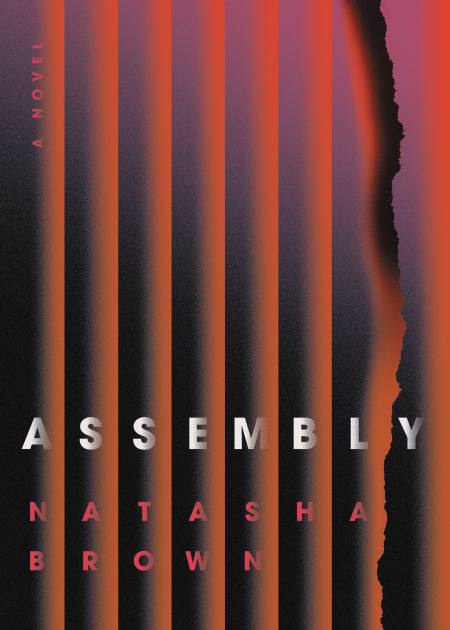
Another reviewer saw it is “Virginia Woolf’s Mrs. Dalloway meets Citizen by Claudia Rankine.
The nameless narrator is a young Black woman achieving success in the world of finance, while her grudging colleagues write her off as the company’s face of diversity. She isn’t giving a party; rather she’s preparing to attend one, hosted by her white boyfriend’s old-money family, who tolerate her on the assumption that she’s a passing phase, much as Clarissa Dalloway worried about but dismissed her daughter’s infatuation with Doris Kilman.
A first-person narration from an interior perspective, she questions her identity and her place in the world. Like Clarissa, unseen and unknown: “not even Clarissa any more; this being Mrs. Richard Dalloway.”