Feeds:
Posts
Comments

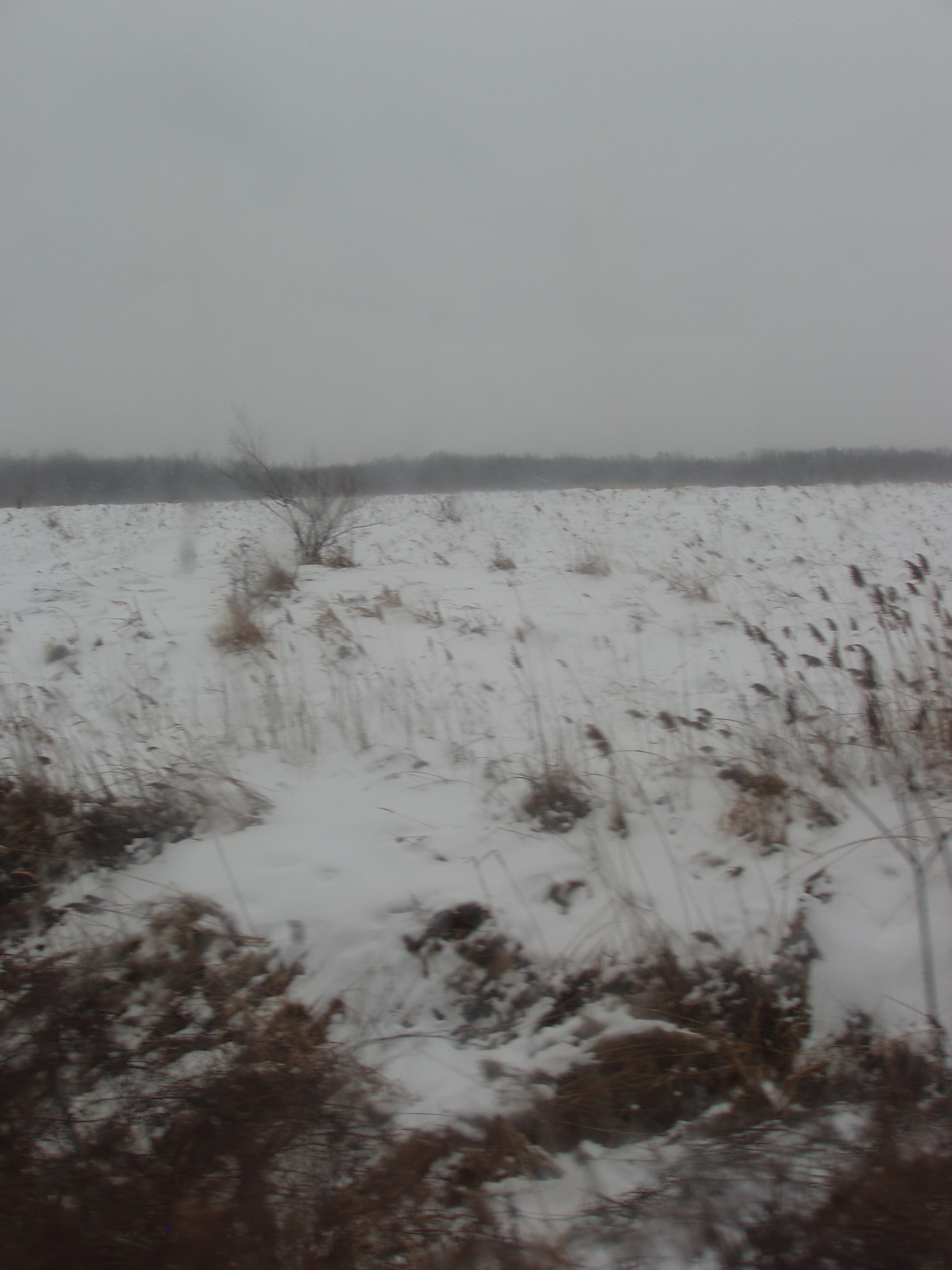
I am enjoying a snow evening. Not a snow day, just a snow evening.

My university cancelled evening classes because of the snow, which means I don’t have to teach tonight. So instead of standing in front of a classroom, I am sitting at home on a sofa.

The unexpected free time feels especially fine. Outdoors I can hear my neighbor running his snow blower. In the kitchen, the tea kettle sounds ready to boil. The only jarring note is the TV, but it is the news hour, and my husband does have it tuned to PBS.

Meanwhile, with Jim Lehrer in the background, I pull together Woolf notes:

  • From Anne Fernald of Fernham, comes a tweet advising us to read “Always A Rambling Post on Common Readers, Classes and the Noise of Poetry,” which extols the virtues of Woolf, “a poet who wrote novels.”
  • S. Shulman shared a story about a Princeton exhibit in the Firestone Library’s Main Gallery called “The Author’s Portrait.” The exhibit runs through July 5 and includes a 1928 portrait of Woolf.
  • She also sent a link to a Londonist story, “Which is the Best London Novel?” Woolf’s Mrs. Dalloway is tied for the number three spot on the list. And Ian McEwan’s Saturday, inspired by Mrs. D, is number nine.
  • In an article in the London Times, Naomi Wolf cites Virginia Woolf in her article, Sleep is a Feminist Issue.
  • On The Walrus Blog, a post called “Ghost Stories” argues that the cult of authors may result in ” fancy editions of F. Scott Fitzgerald’s grocery lists, or leather-bound copies of Virginia Woolf’s to-do reminders.”
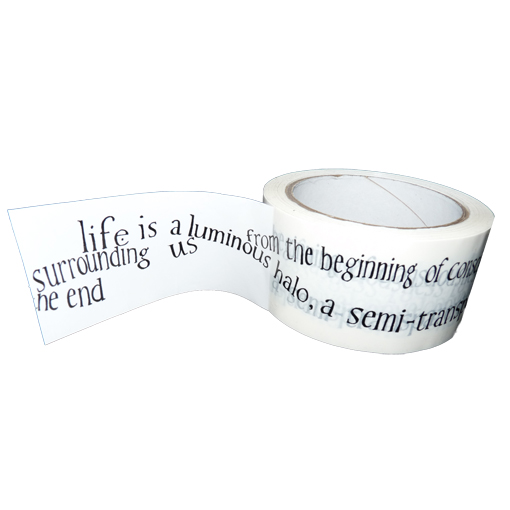
  • A note from the Literary Gift Co. illustrates our fetishization of authors. The company offers “Virginia Woolf Parcel Tape” to seal your special packages. It is emblazoned with a Woolf quotation, “Life is a luminous halo, a semi-transparent envelope which surrounds us from the beginning of conciousness to the end,” from her essay  “Modern Fiction.”
  • A VWoolf Listserv conversation about Woolf’s mental state generated tips for further reading. They include:
  • And if you need a chuckle after all this serious talk, take a look at the Punch cartoon whose link was sent by Stuart N. Clarke in response to the discussion on the VWoolf Listserv regarding Woolf and weather, a topic obviously dear to my heart.
Which leads me full circle to the topic with which I began: I am enjoying a snow evening. And it is pure white bliss.

I love getting post from abroad. Everything about it is charming: the feel of the envelope, the look of the stamps, even the fact that “U.S.A.” is included in the address.

I never rip it right open. I usually hold the letter in my hands for a minute, thinking about the long distance it has come, the water it has crossed, the person on the other end who has taken the time to sit down and put pen to paper.

Sometimes I have to wait for the right moment before I can open it. I never want to read a letter from abroad when I am agitated or in a hurry or distracted by some mundane matter.

But when the moment is right, I settle down on my favorite sofa, the one where the late afternoon sun slants across my shoulder. In that calm and quiet spot, I carefully slit open the envelope. I sip the words slowly, letting them swish around in my mind. I savor their flavor and their meaning. I note their nuances and subtleties. I picture the person who wrote it and the place where he wrote.

A letter, an old-fashioned handwritten letter from abroad, is something I can tuck in my book and read again later. It is something I can take with me wherever I go. It is something I can save forever, tied up with others like it, bound together and stored in a drawer.

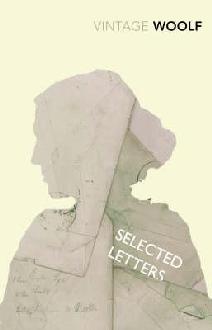
So where is the Virginia Woolf connection in all of this? Well, we all know she wrote and received lots of letters — volumes in fact. Five of them sit on my bookshelf.

But two other things have made me think about letters. The first was a note I received from Cecil Woolf, nephew of Leonard and Virginia, who wrote to say that he and his wife Jean Moorcroft Wilson had spent 12 days in South Africa, where they spoke at the University of Capetown. Cecil’s talk was titled “As I Remember Them: Virginia and Leonard Woolf.” His missive was dated Jan. 26, and I thought about the significance of that date as well.

Cecil Woolf

The second thing that made me think about letters was the much-discussed news that Angelica Garnett has published a new volume of short stories, The Unspoken Truth: A Quartet of Bloomsbury Stories. These stories are not letters. But Garnett has been quoted as saying that the stories are autobiographical, not invented, for the most part.

Those things led me to ponder the similarities between real life and fiction and the differences between real life stories and the lives we share via letters. Both are edited, either formally or informally. Both alter the realities of our daily lives. Both stay true to those realities.

Call for Papers: International Society of Virginia Woolf Panel on Bloomsbury and Africa

Welcomed subjects include Woolf’s imaginative uses of Africa, the Dreadnought Hoax, Bloomsbury and African art, Leonard Woolf and Africa and Hogarth Press publications.

Abstracts of 500 words are due March 12, 2010, to Danell Jones, danelljones@bresnan.net.

The 2011 MLA Annual Convention will be held Jan. 6 to 9, 2011, in Los Angeles.

Call for Papers: Woolf Panel on Victorian Woolf

Possible topics include Woolf’s Victorians and Victorianisms, her debts to Victorian contexts, sources and precursors; her modernism reframed, denied or backdated; her late- or neo-Victorian politics, technologies, travels and afterlives.

Abstracts of 250 words are due by March 2, 2010, to Jesse E. Matz, matzj@kenyon.edu.

The 2011 MLA Annual Convention will be held Jan. 6 to 9, 2011, in Los Angeles.

Woolfians will head to Glasgow, Scotland, for the 21st Annual International Conference on Virginia Woolf, which is set for June 9 to 12 at the University of Glasgow.

Jane Goldman, reader in English literature at the University of Glasgow, is organizing the conference. She is also the general editor of the Cambridge University Press edition of the Writings of Virginia Woolf.

Blogging Woolf will post more details as they arrive. Meanwhile, if you like to plan ahead, check here for information about traveling to Glasgow.

On Pol Culture, Robert Stanley Martin reviews “Kew Gardens,” a Virginia Woolf short story published in the volume Monday or Tuesday: Eight Stories.

In his review, Martin says Woolf’s story, originally published privately in 1919, “may be the greatest of her short stories.” Read his review.

You can read his other posts discussing Woolf’s writings at the links below: