Feeds:
Posts
Comments

Posts Tagged ‘books’

The Life of Violet, edited by Urmila Seshagiri and just out today from Princeton University Press, is the newly discovered revised typescript of three early short stories by Virginia Woolf based on the life of her friend and mentor Violet Dickinson.

Witty, whimsical, lighthearted, and just plain fun, the book is an important discovery that I hope helps dispel the myth that Virginia Woolf was a sad, humorless writer beset by depression and suicidal thoughts.

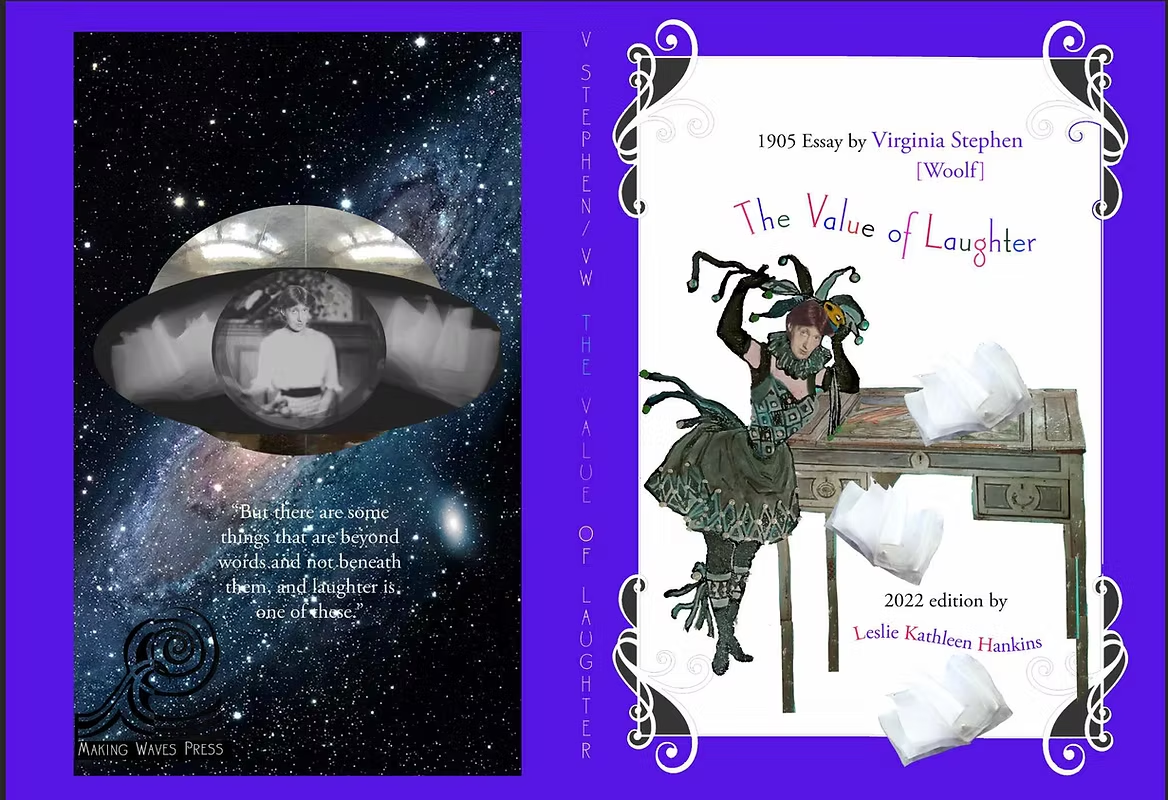
It should be no surprise that Woolf’s humor is often overlooked. That is often the case, and something Woolf recognized in her 1905 essay, “The Value of Laughter,” which was originally published in The Guardian.

Humour, we have been told, is denied to women. They may be tragic, or comic, but the particular blend which makes a humorist is to be found only in men.

Its history

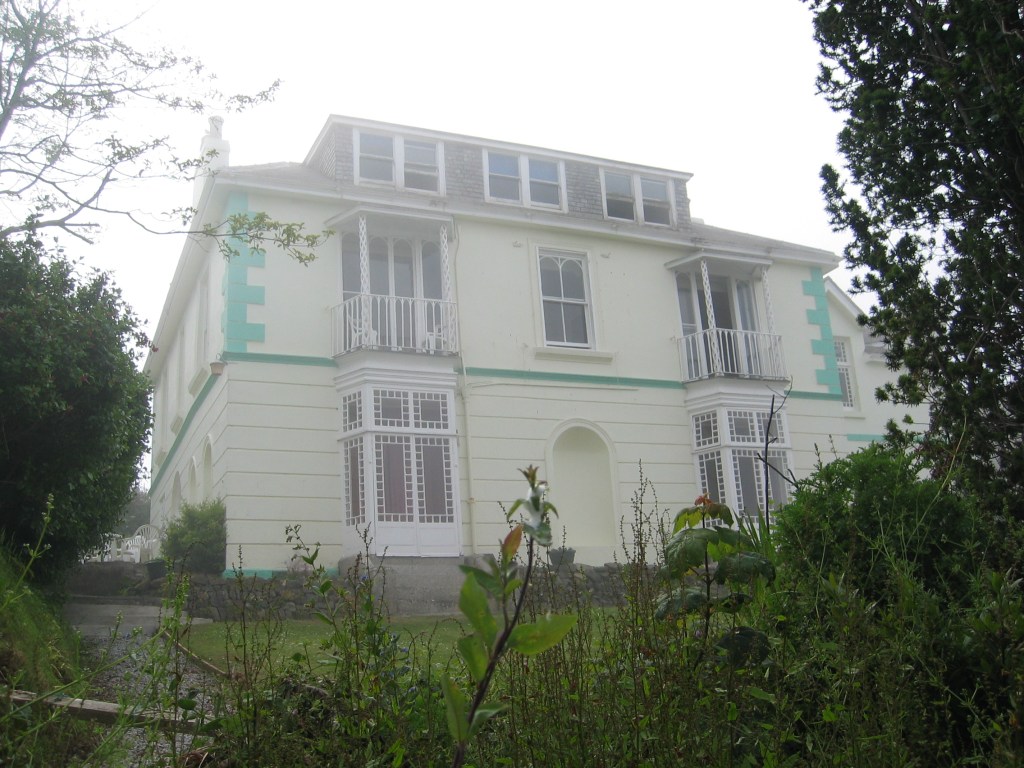
Woolf drafted the three comic stories that make up The Life of Violet in 1907, at the age of 25. Before leaving to spend several weeks in Playden, Sussex, just north of Rye, she sent Dickinson the draft she had “very hastily polished off” (A Passionate Apprentice, 367).

That version, typed in violet ink and titled “Friendships Gallery,” is housed today in the Berg Collection at the New York Public Library. Until lately, it was considered the only version in existence.

But in 2022, Seshagiri discovered a professionally typed revision—with corrections Woolf made by hand in 1908—at Longleat House in Wiltshire, England, after learning about its existence via email several years earlier. It had sat in the Longleat House archives for 80 years, after disappearing into the collection of Dickinson’s papers.

About the book

The Life of Violet is a three-part mock biography of Mary Violet Dickinson (1865-1948). It uses three whimsical, comic, interrelated stories—”Friendships Gallery,” “The Magic Garden,” and “A Story to Make You Sleep” to relate Dickinson’s fanciful life as a giantess (the real Violet was six feet two) who defies the societal norms of English life.

She has a full social life without marrying and inspires others to “have a fire” of creativity within them (12). She lives in a cottage of her own that “was the beginning of the great revolution which is making England a very different place from what it was” (24). And she becomes a giant sacred heroic princess, who brings “[a]ll the most delightful things you can think of” (35) to a Japanese village, which she saves from monsters by laughing and waving her umbrella.

Foreshadowing

The Life of Violet also foreshadows literary things to come from Woolf. As a mock biography, it is a harbinger of Orlando (1928). With its focus on Violet’s cottage of her own in “The Magic Garden,” we see the original stirrings of ideas leading to A Room of One’s Own (1929). But most of all, its overall use of language, its wit, its whimsey, and its feminist thought, both sound and feel like Woolf.

A quote from Anne Fernald, editor of Mrs. Dalloway: A Norton Critical Edition, speaks to The Life of Violet’s thematic importance:

The stories are lighthearted, but in them we see how, as early as 1907, Woolf was concerned with the major themes of her career: the need for a room of one’s own, the value of an ordinary woman’s life, and the imperative to remake the way fiction is written.

In this new volume, Seshagiri stays true to Woolf. She incorporates Woolf’s handwritten edits, which incorporates edits suggested by Dickinson. And she reproduces the page layout, language, spacing, and spelling of Woolf’s revised transcript.

The extras

By including detailed “Explanatory Notes,” she also makes it easy for readers who may not be familiar with Woolf or the social and historical context of her time.

The volume also includes a preface, an afterword that provides a detailed explanation of the history of these early short stories, as well as photographs.
Read Full Post »

A Turkish translation of seven essays by Virginia Woolf, in progress for three years, is now out.

Edited by Mine Özyurt Kılıç, founder of the Woolf Arts Archive, the volume is titled On Writing and includes essays on different aspects of writing, along with an introduction, “Virginia Woolf as an Essayist.” Poet Kenan Yücel designed the cover.

The book is available online at a discount.

Read Full Post »

The Virginia Woolf Society of Turkey will host a talk by Maggie Humm titled “The Bloomsbury Photographs” from noon-2 p.m. EST and from 5-7 p.m. BST on Wednesday, June 11.

As the final talk of the society’s Woolf season, Humm will discuss her latest book, The Bloomsbury Photographs (Yale UP, 2024). She will explore the relationships, friendships and stories of the Bloomsbury group, offering a unique visual and historical perspective.

About Humm

Maggie Humm

Humm is an Emeritus Professor University of East London and Vice-Chair of the Virginia Woolf Society of Great Britain. She has written and edited numerous books about Woolf and Bloomsbury, including a novel, Talland House, based on Woolf’s To the Lighthouse.

How to attend

This online event is open to all, but registration at Eventbrite is required. Places are limited.

Read Full Post »

Today, May 14, marks the centenary of Virginia Woolf’s celebrated 1925 novel Mrs. Dalloway, with 1,500 copies sold within a month of its publication.

A reader favorite

Woolf’s fourth novel, set on a single day in the middle of June in 1923, elicited a variety of responses after its publication.

As Mark Hussey explains in Virginia Woolf A to Z (1995), the novel has not only held the attention of critics over the years, but “with To the Lighthouse, has probably generated more commentary than any other of Wolf’s fictions” (175).

The novel, lauded for its use of interior monologue, as well as its poetic language, is a reader favorite. It is certainly one I have picked up and read at various stages of my life during the last 50 years, always finding some new insight into Clarissa, along with some new connections between Clarissa’s thoughts and life and my own.

Links to follow in celebration of the centenary

Here are some links to articles and events noting this milestone, thanks to Vara Neverow, professor of English at Connecticut State University and editor of the Virginia Woolf Miscellany.

Read Full Post »

Writers stamp themselves upon their possessions more indelibly than other people, making the table, the chair, the curtain, the carpet into their own image. – Virginia Woolf,  “Great Men’s Houses (1911)

That is the lovely quote that begins the introduction to Rooms of Their Own: Where Great Writers Write (2022)– and the fact that it was written by VirginiaWoolf adds a special boost to this post.

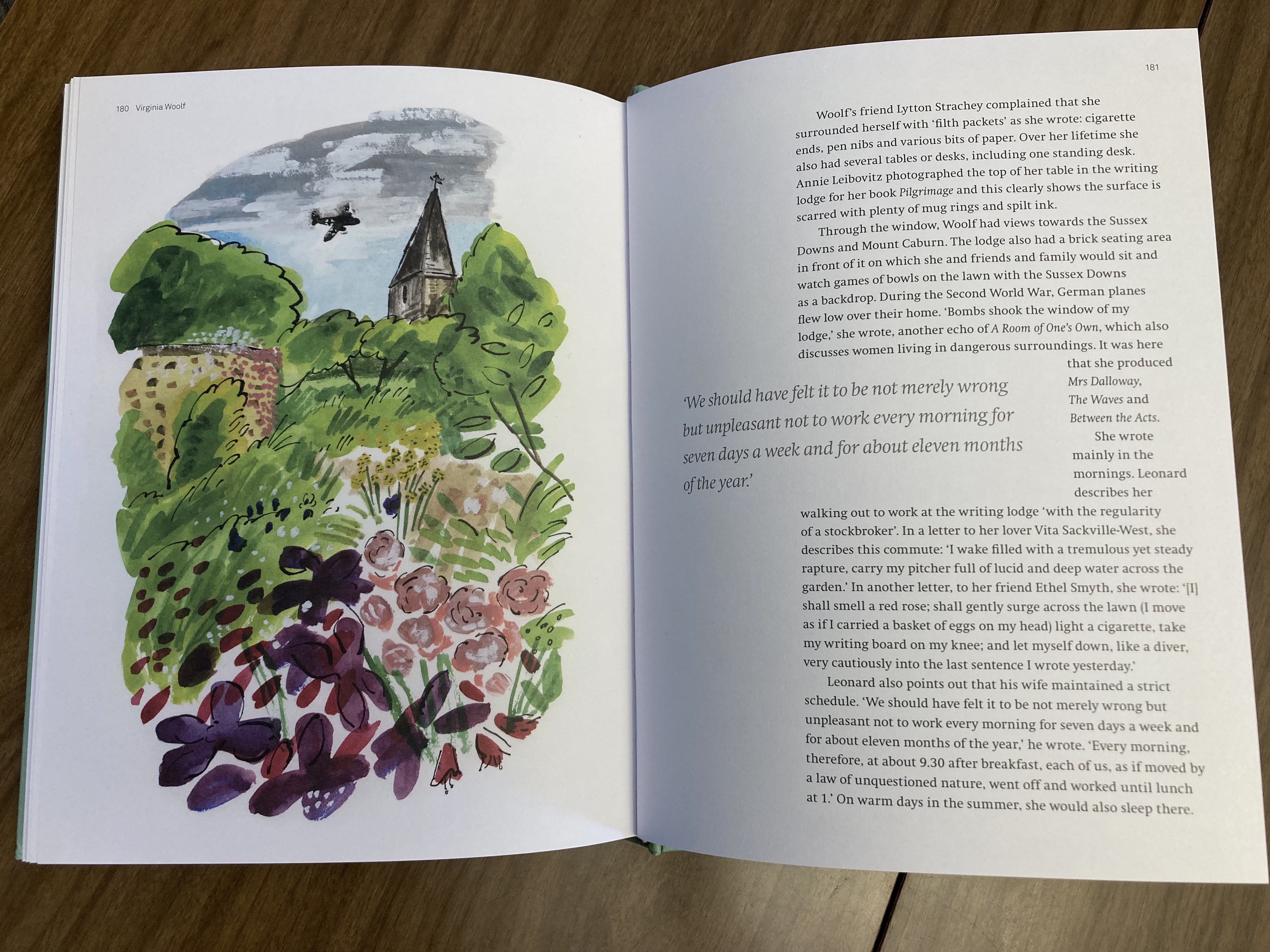
The book answers the question, “Where do you write?” for authors ranging from Maya Angelou to William Wordsworth — 50 in all. It describes their writing environments — from attics and studies to billiard rooms and bathtubs — in words written by Alex Johnson and illustrations in charming water colors by James Oses.

As the book blurb explains, it “explores the unique spaces, habits and rituals in which famous writers created their most notable works.”

Virginia Woolf’s writing lodge at Monk’s House in Rodmell, East Sussex

In addition, it details each author’s writing methods, routines and habits, as well as their ink, paper, and pencil preferences.

It also includes information on each of the locations described, many of which are private and not open to visitors.

Of particular note to readers of Blogging Woolf are the rooms used by Woolf and Vita Sackville-West. The book covers each with a four-page spread.

The tower at Sissinghurst Castle in Kent, where Vita Sackville-West’s writing room is located.

Woolf’s, of course, depicts the interior of her writing lodge at Monk’s House, along with her view from the lodge. Vita’s shows the interior of her tower room at Sissinghurst Castle, as well as a long view of the tower exterior.

Lucky for us, both Monk’s House and Sissinghurst Castle are open to visitors.

However, as I recall my last visit to Monk’s House in July of 2019, we were not permitted inside the space where Woolf wrote in her lodge. We had to view it through a window. The photo below shows that view.

In June of 2018, I got a look at Vita’s lofty writing space in the Sissinghurst tower from a doorway, after climbing the stairway that led to it. The doorway was blocked by a grille to preserve the fragile contents within. You can see what I saw in the photo below, including just some of the room’s 2,700 books.

Despite such limitations, each is certainly worth a visit.

Virginia Woolf’s desk in her writing lodge at Monk’s House, 2019. Woolfs’ tortoiseshell glasses, as well as her folders for her manuscripts, are on the table. While the Woolfs converted an old tool shed in their garden into a writing room for Virginia in 1921, by 1934 they built this new lodge with French windows. I took this photo through a window, as entry was not permitted.

Vita Sackville-West’s writing room in the high tower at Sissinghurst Castle, 2018. It appears as it was upon her death in 1962. It is lit as a night scene to prevent damage from light and reflects the fact that Vita usually wrote by lamplight in the evening. I took this photo through a grille in the doorway at the top of the stairs, as entry was not allowed.

Virginia Woolf: A shed of one’s own, p 178-9, Virginia Woolf: A shed of one’s own, p 178-9, Rooms of Their Own: Where Great Writers Write


Virginia Woolf: A shed of her own, p. 180-81, Rooms of Their Own: Where Great Writers Write


Vita Sackville West: A room to celebrate love(s), p. 138-9, Rooms of Their Own: Where Great Writers Write

Vita Sackville West: A room to celebrate love(s), p. 140-1, Rooms of Their Own: Where Great Writers Write


Read Full Post »

Older Posts »