Feeds:
Posts
Comments

Last time, I wrote about the online programs offered to the Virginia Woolf Society of Great Britain, thanks to the pandemic. Today, I must also grudgingly thank the pandemic for the wide selection of online sessions featuring Woolf and other women writers that are offered by Literature Cambridge for the second year in a row.

Second Virginia Woolf Season

The first group of sessions are those remaining in the Second Virginia Woolf Season. Each offers an hour-long lecture by a Woolf scholar, followed by an hour of discussion. Each of the following sessions has a theme and focuses on one book by Woolf.

  • Saturday 26 March 2022, 6 p.m. BT – Tea and Tradition: Night and Day (1919),

    Ellie Harrison lecturing on Woolf via Zoom

    with Ellie Mitchell. Live repeat session.

  • Saturday 9 April 2022, 6 p.m. BST – Books and Libraries in Three Guineas (1938), with Claire Davison
  • Sunday 10 April 2022, 6 p.m. BST – Woolf and Androgyny: A Room of One’s Own (1929), with Alison Hennegan. Live repeat session.*
  • Sunday 8 May 2022, 6 p.m. BST – Virginia Woolf and Clive Bell, with Mark Hussey
  • Saturday 11 June 2022, 6 p.m. BST – Mrs Dalloway from Bond Street to Westminster, with Claire Nicholson.

British Summer Time: Please note that clocks in Britain move ahead one hour on Sunday 27 March 2022.

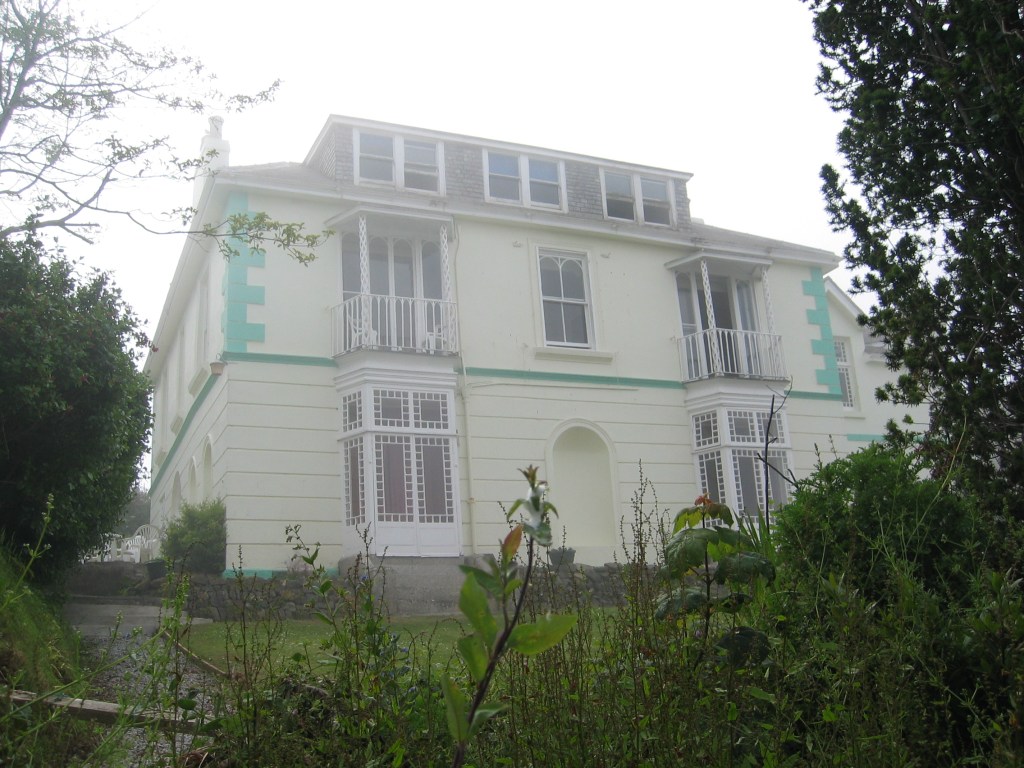
Woolf’s Houses summer course

The path behind the Monk’s House gate

Literature Cambridge’s annual summer course resumes this year with a live online course on Woolf’s Houses, 25-29 July 2022. Literature Cambridge hopes to resume the in-person Woolf Summer course in July 2023.

Women Writers Season

Woolfians might also be interested in the last few lectures in the Women Writers Season on Vita Sackville West, Radclyffe Hall, and Elizabeth Bowen. Dates are April 2, April 16, and May 7.

Members of the Virginia Woolf Society of Great Britain are welcome to book sessions at the student price. Per session: £23 students, VWSGB members, CAMcard holders £28 full price

T-shirts like these may be available when Literature Cambridge holds its first in-person summer course since 2019 in July of 2023. The topic will be Woolf’s Women.
I don’t have many positive things to say about the pandemic, but I am glad of one thing. It increased the number of online programs offered by the Virginia Woolf Society of Great Britain. And they make membership in the society even more worthwhile, no matter which side of the pond you are on.

The Bloomsbury Ballerina

The most recent online program was “Lydia Lopokova and Bloomsbury,” a March 16 conversation between author Susan Sellers and Virginia Woolf scholar Maggie Humm about the fascinating Russian dancer Lydia Lopokova and her complicated relationship with Bloomsbury.

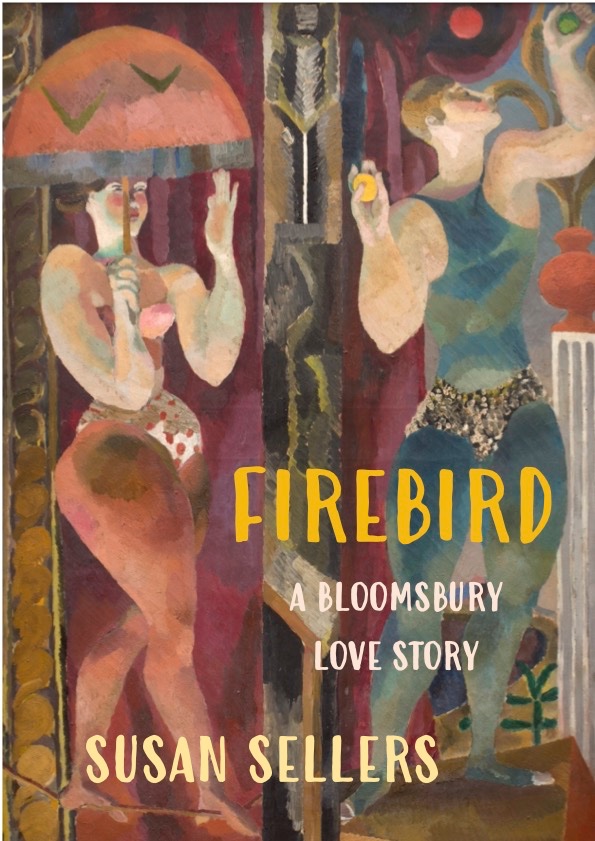
Sellers, who wrote the novel Vanessa and Her Sister (2014) has a new novel coming out. Titled Firebird: A Bloomsbury Love Story, it tells the surprising story of two of Bloomsbury’s most unlikely lovers – John Maynard Keynes, the distinguished economist, and the extrovert Russian dancer Lydia Lopokova. Weaving biography and fiction, Firebird explores the tangle of Bloomsbury’s bohemian relationships as lifestyles are challenged and allegiances shift following Lydia’s explosive arrival.

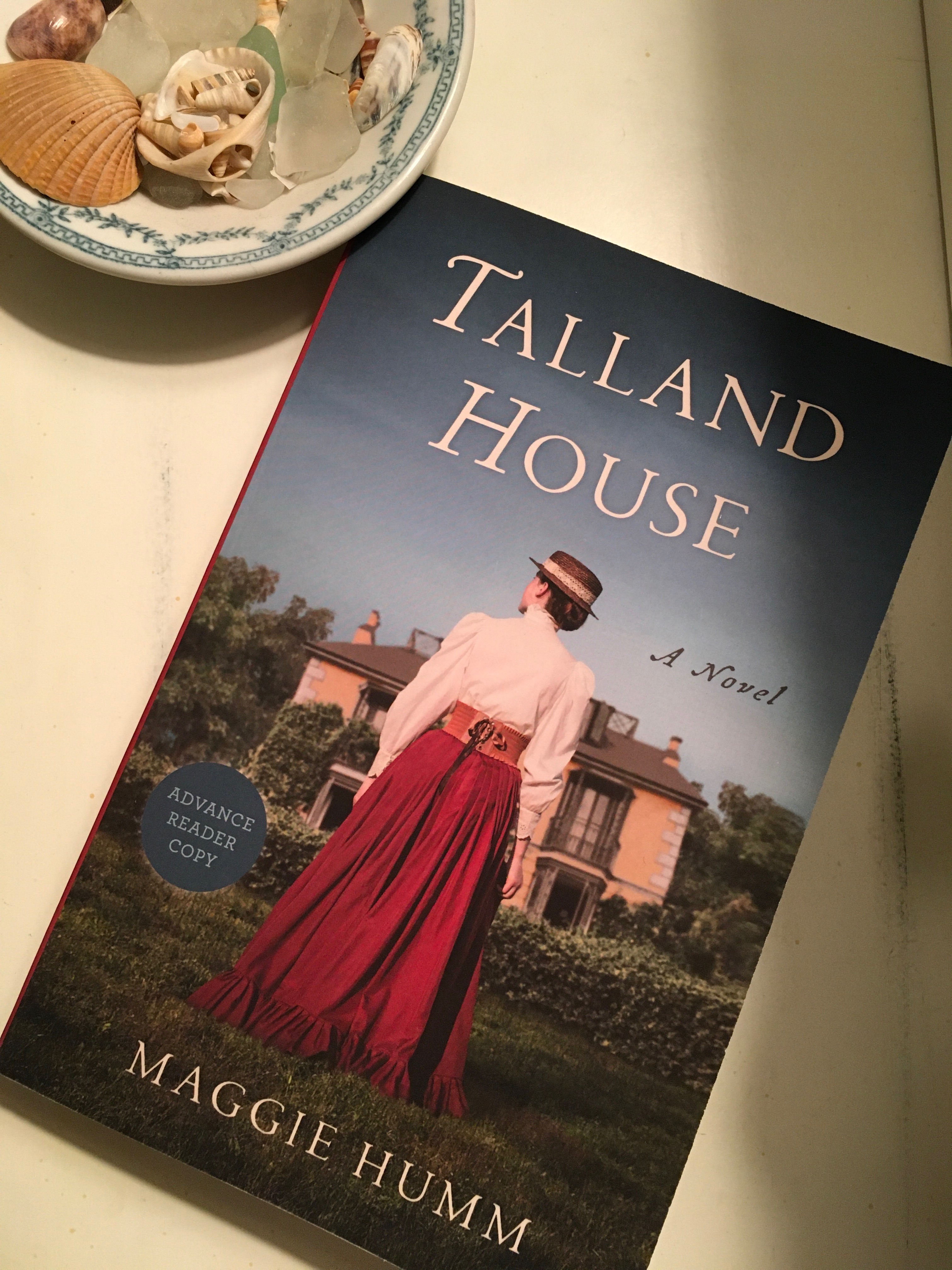
Humm’s many publications on Bloomsbury include her acclaimed novel Talland House (2020), inspired by Woolf’s To the Lighthouse.

I missed the March 16 conversation, but because I am a member of the society, I can access it online as a YouTube video, via a link sent to members only.

Join up

Membership to the society for UK residents is £20, or £10 for full-time students. There are also memberships for those of us outside the UK. It is well worth it. Membership includes the following:

  • FREE Virginia Woolf Bulletin three times a year, containing articles, reviews and previously unpublished material by Woolf herself (normally £5 each)
  • Discount on Birthday Lecture: annual talk by a Woolf scholar or author, held on the Saturday nearest to 25 January
  • FREE Regular email updates, with information and news of upcoming Woolf events
  • Discount on member events: e.g. day conferences; study weekends, talks, visits; guided walks in an area connected with Woolf
  • FREE online talks and events: live and recorded events accessed by web link (members only)

You have nearly two weeks to get ready for Woolf Salon No. 17: Woolf, Beauvoir& Phenomenology, so check out the details below. But if your schedule doesn’t allow for any prep time, don’t worry. You can always log on to just listen.

Virginia Woolf reading at home

Details

Hosts: Marie Allègre and Luca Pinelli of The Woolf Salon Project
Day: Friday, March 25
Time: 2 p.m.–4 p.m. ET
Please note that the U.S. will have entered Daylight Saving Time by this date, so the time conversion might be a bit different for those outside the U.S.
How to join: Anyone can join the group, which meets on one Friday of each month via Zoom and focuses on a single topic or text. Just contact woolfsalonproject@gmail.com to sign up for the email list and receive the Zoom link, as well as a PDF of the second reading listed below.

What to read

Woolf’s short essay can also be found in Essays Vol. 6 (pp. 453–56). It is also included in the collection The Death of the Moth.

What to consider

The hosts advise the following in preparation for the Salon, and they assure us that no prior knowledge of either Beauvoir or phenomenology will be necessary to participate in the discussion:

  • Think about the ways in which the self is represented in all its forms in these texts
  • Feel free to refer to other texts by either Beauvoir or Woolf regarding any of the themes that emerge in” “Evening Over Sussex” or “What Can Literature Do?”

At the event, the hosts will also be drawing participants’ attention to critical texts that make connections between Woolf and Beauvoir and will share a PDF of a recent book chapter by artist and Woolf scholar Suzanne Bellamy.

Attendees have loved salons that simply focus on one or two short texts. These events provide opportunities to share ideas that emerge from discussion of old favorites and discoveries of new ones. – The Woolf Salon Project

Background on the Salon

The Salon Conspirators — Hagen, Shilo McGiff, Amy Smith, and Drew Shannon — began the Woolf Salon Project in July 2020 to provide opportunities for conversation and conviviality among Woolf-interested scholars, students, and common readers during and beyond the COVID-19 pandemic.

With Russia’s full-scale invasion of Ukraine 13 days old, I can’t get Virginia Woolf’s August 1940 essay “Thoughts on Peace in an Air Raid” out of my mind.

In it, she writes:

Unless we can think peace into existence we — not this one body in this one bed but millions of bodies yet to be born — will lie in the same darkness and hear the same death rattle overhead (173).

As I write this, the Ukrainian people are lying in that same darkness. They are hearing that same death rattle.

One Kyiv woman’s story

This week, I read of a 74-year-old woman who emerged from the basement of her home after 10 days to find everything in sight destroyed and dead bodies lying in the street.

For most of that time, Katerina Oleksiivna had survived without heat, electricity, or water. She had existed on canned vegetables and stale bread while listening to explosions overhead and feeling their reverberations beneath the ground.

A bomb drops. All the windows rattle. The anti-aircraft guns are getting active. Up there on the hill under a net tagged with strips of green and brown stuff to imitate the hues of autumn leaves guns are concealed. Now they all fire at once.

Echoes of Woolf

That could have been Katerina Oleksiivna’s description of her ordeal. But it is not.

Instead, those are some of Woolf’s words written 82 years ago in “Thoughts on Peace in an Air Raid.” They recall the fear she experienced during the Second World War as she heard German planes fly over the Sussex countryside. One plane flew so close that she and Leonard were forced to shelter under a tree in their garden at Monk’s House.

It was not Woolf’s first go-round at war. She had already lived through four years of the Great War, listening to bombing from across the English Channel and hiding under a basement kitchen table in Richmond during air raids (D1, 123-4). From 1939 until March 28, 1941, when she committed suicide by walking into the River Ouse, she lived through the trauma and deprivations of a second.

Is the war everywhere? – Katarina Oleksiivna, 74, of Kyiv, Ukraine

Repeating history

As the brave Ukrainian people defend themselves against the Russians, my heart aches. It aches at the memory of my maternal grandparents, who emigrated to the U.S. from Ukraine in 1923, bringing their Ukrainian culture with them and sharing it with me. It aches at the repetition of some of our modern world’s bleakest history. It aches at our failure to spend the last 82 years thinking — and acting — peace into existence, as Woolf wished. And it aches at the thought that we may never do so.

A display at the “People Power Fighting for Peace” exhibit at the Imperial War Museum in London in July 2017.

For as Woolf says, war perpetuates itself, rippling infinitely outwards in time and space, unless we stop it by turning our minds and our energy towards creating universal peace.

Thinking peace into existence

For Woolf, that means thinking peace into existence by thinking against the current, by thinking against the nationalism that dictators and autocrats like Adolf Hitler and Vladimir Putin promote through propaganda and force.

And in “Thoughts on Peace in an Air Raid,” Woolf maintains that the primary requirement for fostering peace among all peoples of our world is the act of artistic creation. It is, she maintains, the antithesis to war’s destruction.

For her, “the creative power at once brings the whole universe to order.” Artistic creation helps to make sense of the world, a world that in the midst of war makes little sense at all.

Woolf certainly did her part to think — and write — peace into existence. May each of us do ours as well. #StandWithUkraine

Post-It notes written by visitors became part of the peace symbol display pictured above at the “People Power Fighting for Peace” exhibit at the Imperial War Museum in London in July 2017.

Today is the 25th World Book Day. And although it is a day targeted to developing a reading habit in children, adults can celebrate as well. What better author to celebrate with than Virginia Woolf?

To that end, I have two resources for you.

Virginia Woolf Starter Pack

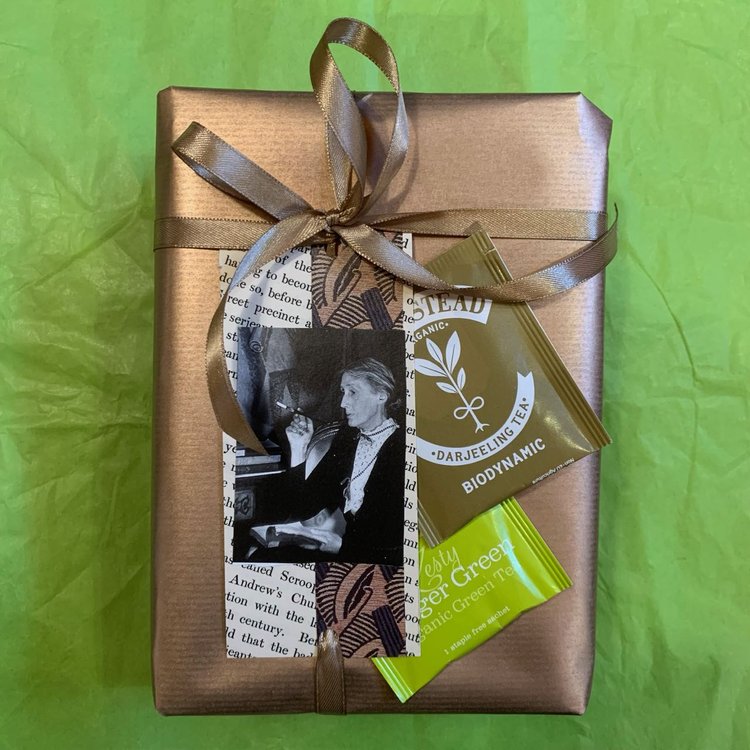
The first is a Virginia Woolf Starter Pack. Offered by Much Ado Books, it includes four Woolf classics.

They are gift wrapped and embellished with a Woolf bookmark and a couple of tea bags ready for brewing as you settle in to read the four paperbacks in the set:

  • A Room of One’s Own (1929)
  • Mrs. Dalloway (1925)
  • To the Lighthouse (1927)
  • Orlando (1928)

Guide on where to start with Woolf

The second comes from the New York Public Library. All four of the volumes included in the starter pack, along with The Waves (1931), are included in the guide on “Where to Start With Virginia Woolf” provided by the NYPL.

The library includes a brief synopsis of each novel and recommends reading them in this order:

  1. Mrs. Dalloway
  2. A Room of One’s Own
  3. To the Lighthouse
  4. The Waves
  5. Orlando

A book list of her own

Meanwhile, Woolf scholar Maggie Humm’s Twitter post today included a list of the books Woolf liked and disliked most in 1924, 98 years ago.